
Choosing the appropriate language and tone for a report can be tricky, particularly when you’re attempting to glean important details from a scoring program-created interpretive report (i.e., from QGlobal or PARiConnect). Language in these reports can be an excellent stepping stone, but it can sometimes seem overly pejorative, particularly with personality testing.
Even when not communicating details from interpretive reports, clinicians may find that the words and tone suggested by data (including observations) can be overly harsh. Some words/phrases are particularly loaded, for example:
- aggressive
- disengaged
- emotionally disturbed
- rude
- incoherent
- uninvested
- inarticulate
- impaired
Why is this important to consider?
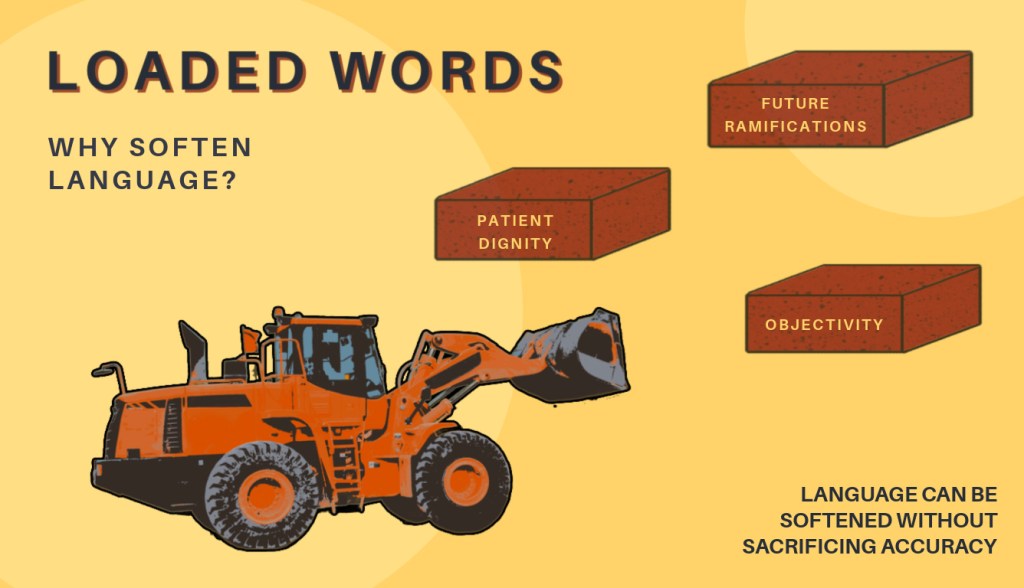
Patient Dignity
Reports communicate more to readers than just data. They may also subtly suggest the attitude a reader ought to have toward the patient. Writers and clinicians should assume that the patient will read the report (or if very young, be able to read the report later on). The ideal language is kind and allows the patient to their preserve dignity, even if they were difficult to test.
Objectivity
Reports include impressions of a patient’s level of effort and capabilities, including a clinician’s thoughts about whether the social exchange was appropriate or respectful. The words above may be accurate, and they are often the best words to use; however, they can carry an emotional weight. They may also signal greater impairment or behavior that is more negative than what was exhibited. Changing a phrase such as “the patient was inarticulate” to “the patient appeared to struggle to communicate their thoughts” can be less loaded while still communicating accurate information.
Future Ramifications
Some words are particularly important to consider when patients are children, as they can signal specific concerns to schools and treatment programs. “Aggressive” and “emotionally disturbed” children typically require specific supports in schools. Likewise, “Emotional/Behavioral Disturbance” is an eligibility category for special education in the United States, so use of this language also carries specific implications. Some private schools and youth treatment programs may also be reticent to accept children with a documented background of aggression or emotional disturbance. Similar considerations may apply to adult patients, particularly with regard to treatment programs.
In short, “loaded” words are appropriate at times, but sometimes softer language can more objectively and kindly convey accurate information. In some cases, opting for softer language can also ensure that wording does not signal an inappropriate or inaccurate set of needs.
Do you agree? Disagree? Something to add? Let me know your thoughts!


Leave a Reply